- Discount up to 35% for first purchase only this month.

Proper handling and Peptide Storage of peptides are essential to preserve their structural integrity and research validity. Peptides are highly sensitive to temperature, moisture, and solvent conditions. Understanding the correct methods of Peptide Storage and reconstitution ensures optimal performance and reliability in laboratory studies.
Lyophilised (freeze-dried) peptides should be stored in a cool, dry environment, ideally at temperatures below -20°C. Exposure to repeated freeze-thaw cycles should be avoided as this can degrade peptide bonds. When stored correctly, most peptides remain stable for 12 to 24 months.
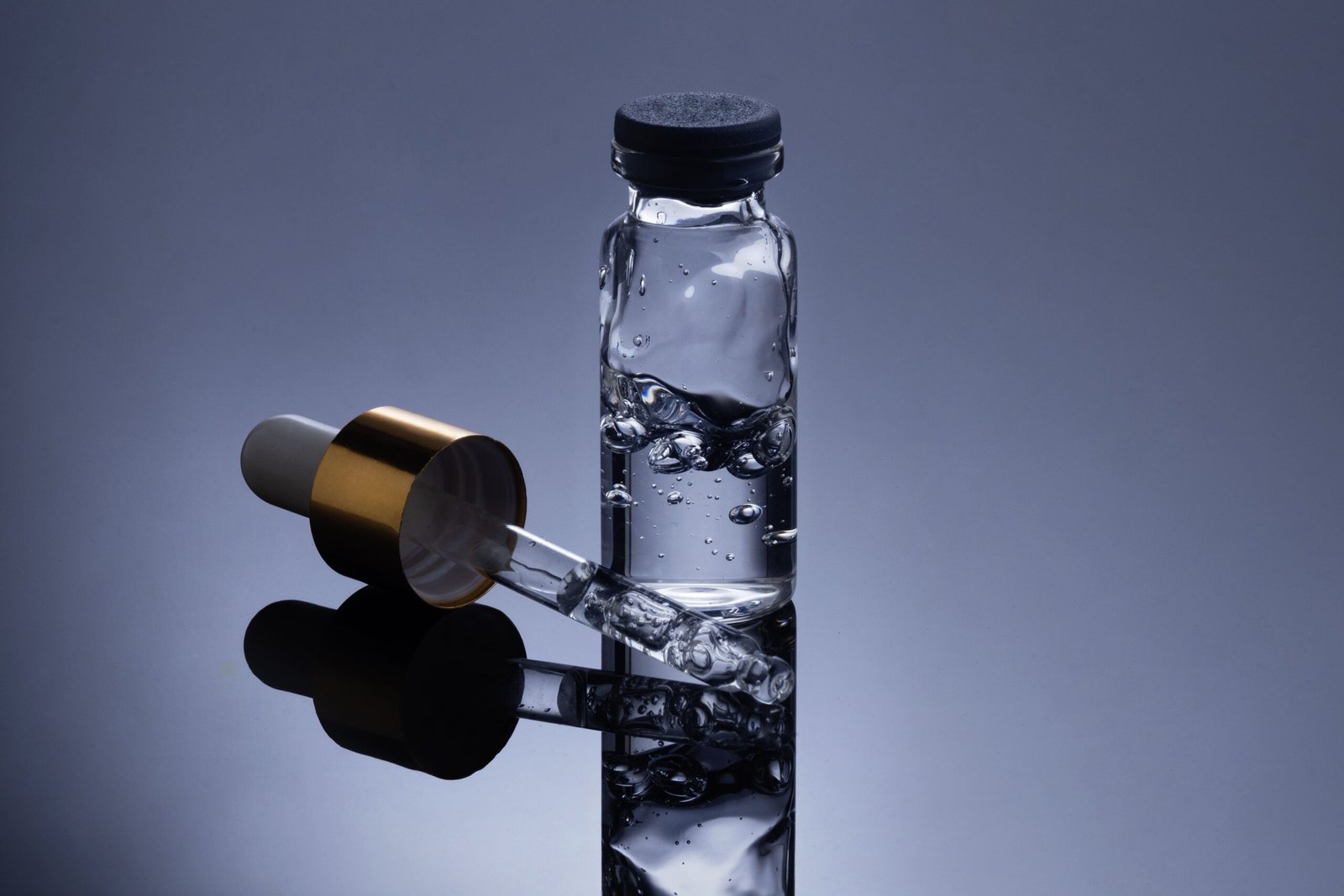
To reconstitute lyophilised peptides, sterile bacteriostatic water or acetic acid solutions are commonly used. The solvent choice depends on peptide solubility; hydrophilic peptides dissolve easily in aqueous solutions, while hydrophobic sequences may require gentle agitation or alternative buffers. Researchers must handle all solutions in a sterile environment to prevent contamination.
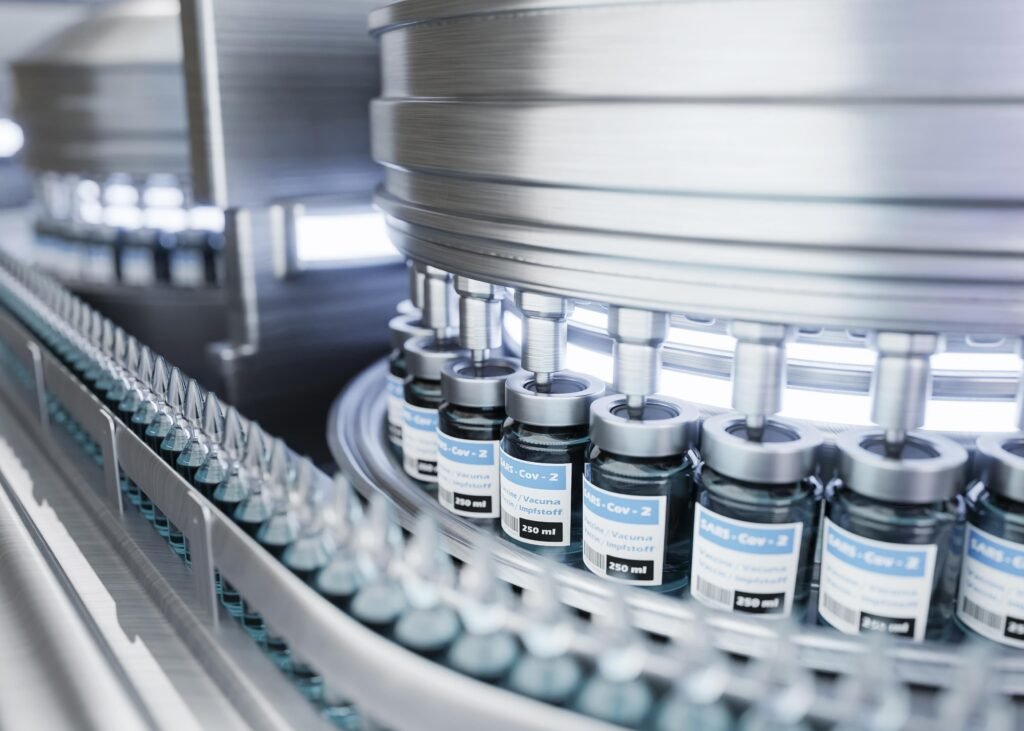
Once reconstituted, peptides should be stored at 2–8°C and used within a short period to maintain stability. Solutions can be aliquoted into smaller portions to minimise degradation from repeated handling. All peptide work must be documented with batch numbers and COA references to ensure research traceability.
Correct storage and reconstitution are key to maintaining peptide quality and reproducibility in experimental research. By following these protocols, laboratories can ensure that peptides perform according to their intended scientific specifications.